
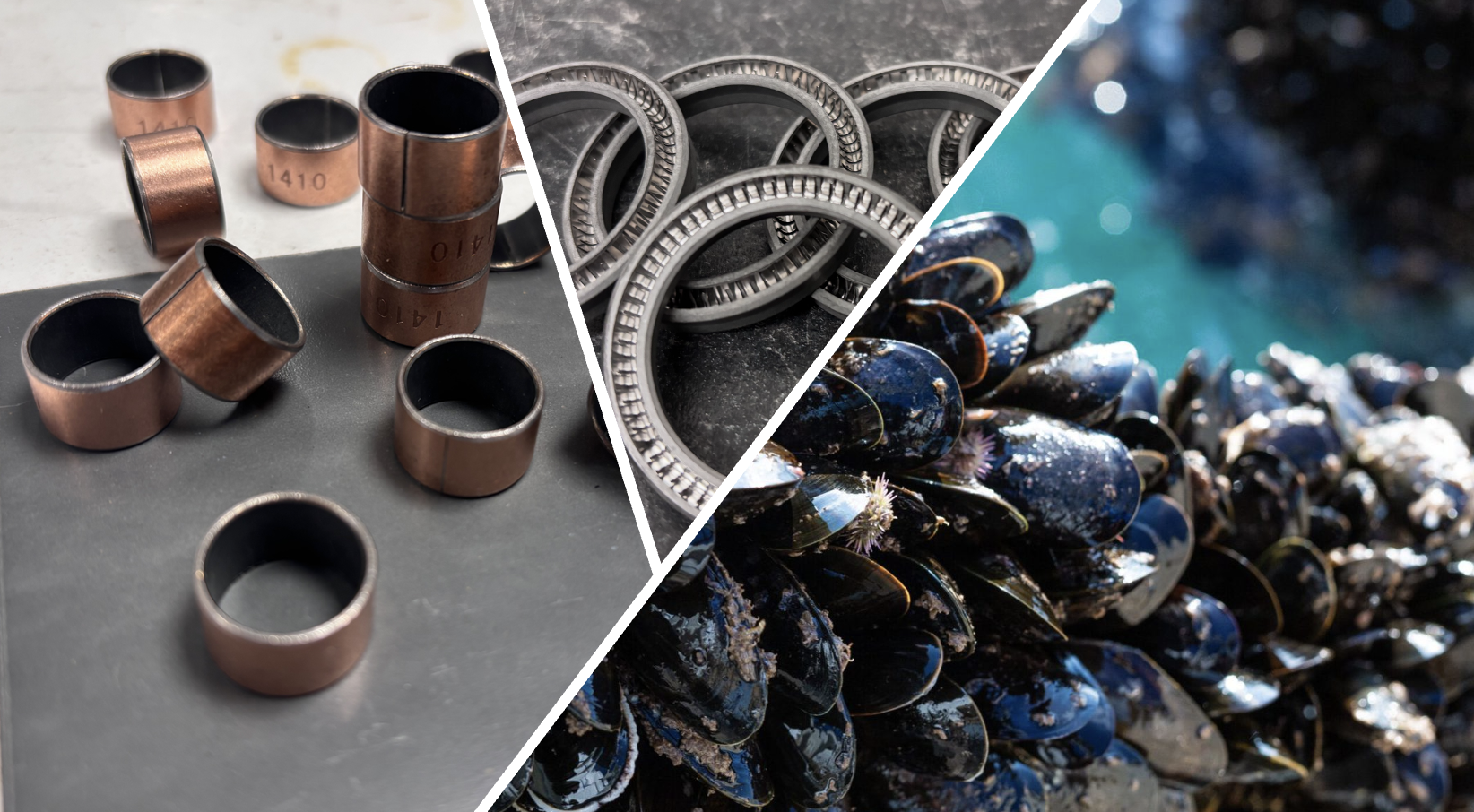
Interface technology that bonds fillers into fluoropolymers
IC® (Interface Connect) is a VOC-free coupling platform serving the filler and polymer industries — proven first on PTFE, the hardest polymer to bond. More mineral. Less plastic.
The interface is the weakest link. We made it the strongest.
PTFE is chemically inert — that’s why it’s valuable, and why so little bonds to it. Conventional filled PTFE is a blend, not a composite: above roughly 20–25% loading, fillers stop reinforcing and start creating defects.
IC® treats the filler surface so it bonds into PTFE — load transfers cleanly, and loadings the industry considered impossible become routine.
Filler loading, reinforced
Loading depends on mica type — the comparison holds the mica constant.Three steps from inert to engineered
Treat the filler
IC® surface chemistry makes fillers “speak PTFE” — dispersing evenly and coupling to the matrix instead of sitting in it.
Build the interphase
A durable interphase forms between polymer and filler, so load transfers cleanly under stress, heat and cycling.
Tune the system
Filler type and loading tuned to your PV, temperature, media and counterface — validated in ASTM/ISO test programs.
One chemistry, many polymers.
We chose PTFE first because it’s the hardest test — chemically inert, and hardly anything bonds to it. The platform is already moving: IC®-PTFE micropowder line-trialled in FKM and IC®-Mica bonded into PA (polyamide). Next: other fluoropolymers (PFA, FEP, ETFE), engineering polymers (PEEK, PPS) and coating systems.
Products
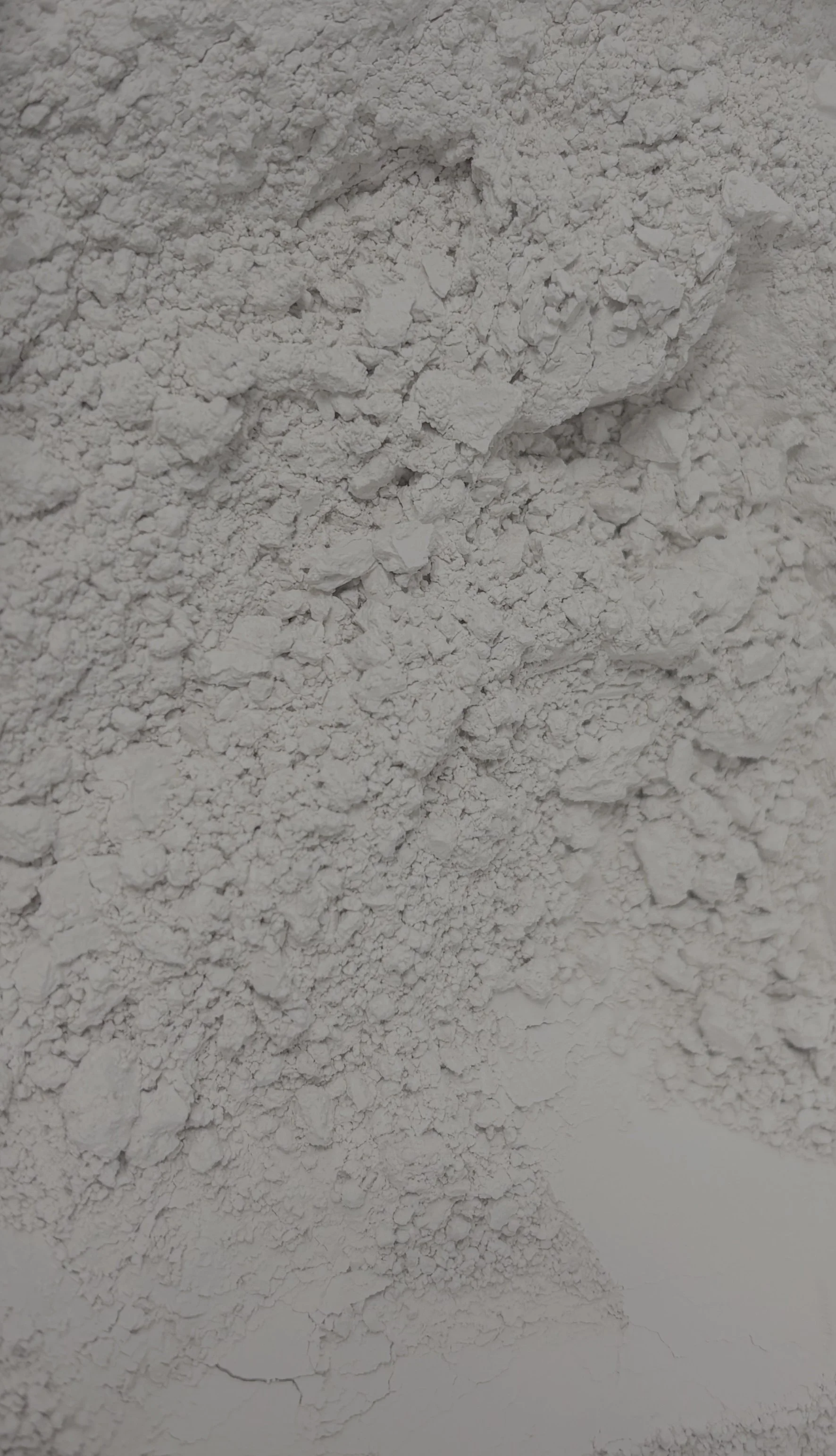
IC®-Treated Fillers
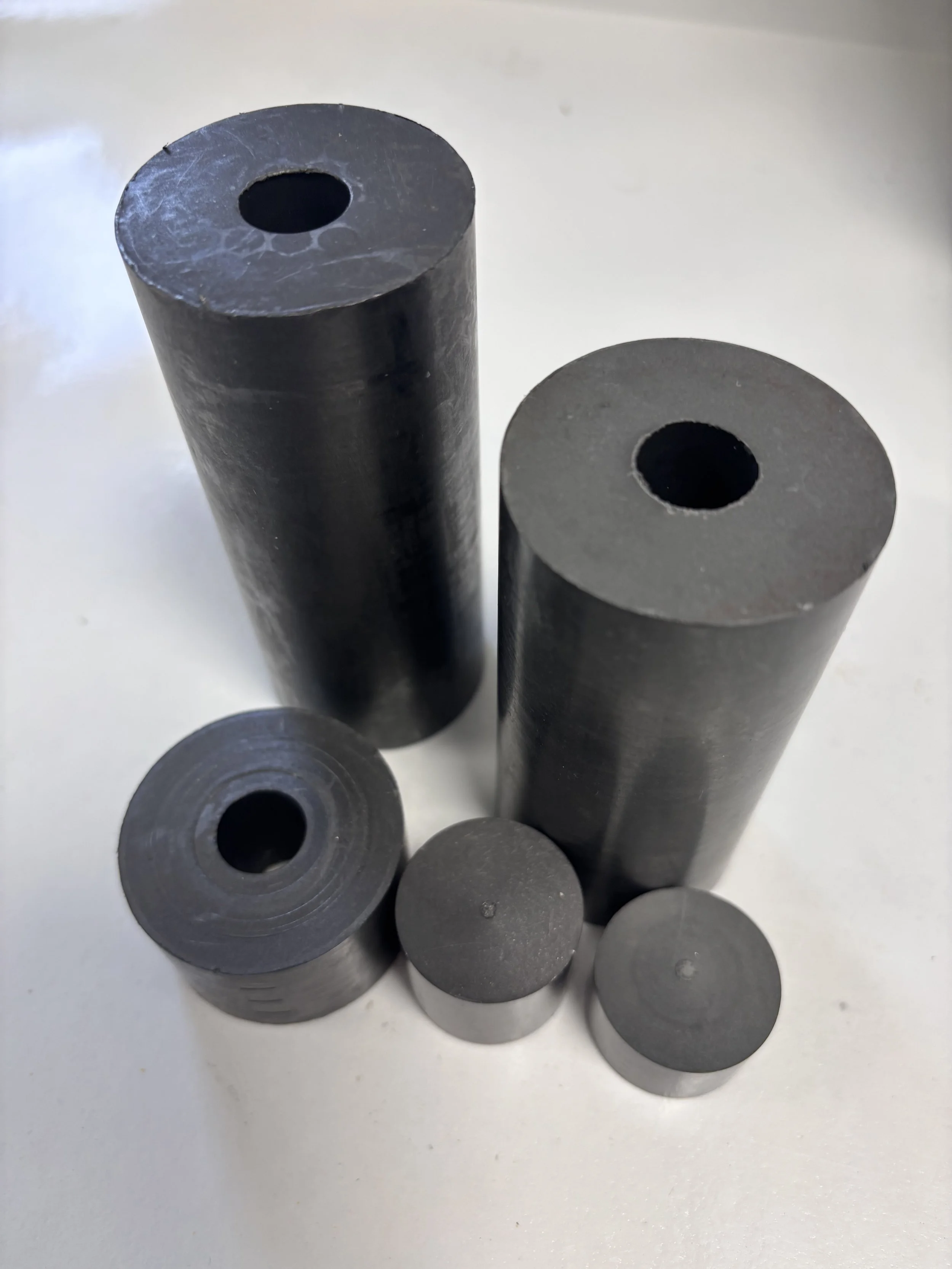
IC® PTFE Composites
IC®-PTFE Micropowder
About
our company
Polyfusion Labs is a UK advanced-materials company commercialising IC® (Interface Connect) — a VOC-free coupling chemistry that bonds fillers into inert polymers, so engineered parts use more mineral and less plastic, without losing performance.
Contact Us
Tell us the polymer or compound you’re working with and what you need it to do — we’ll tell you whether IC® can help.